
 Login
Login CN
CN

Resources & Support
HomeResources & SupportRare Disease Models
MingCelerRare Disease Models
-
 Dec 31, 2025Focus on Rare Diseases | Issue 11: Achondroplasia (ACH)What is Achondroplasia (ACH)? Achondroplasia (ACH) is a common skeletal dysplasia characterized by disproportionate short stature, macrocephaly with frontal bossing, midface hypoplasia, and bowing of the tibiae. The incidence of ACH is approximately 1 in 15,000 to 25,000 live births.
 -
 Dec 31, 2025Focus on Rare Diseases | Issue 12: Hepatolenticular Degeneration (Wilson Disease)What is Hepatolenticular Degeneration? Hepatolenticular Degeneration, also known as Wilson Disease (WD), is a rare autosomal recessive genetic disorder caused by mutations in the ATP7B gene, leading to abnormal copper accumulation in organs such as the liver, brain, and corneas. Clinically, most WD patients are young individuals, presenting with characteristic features including extrapyramidal symptoms, liver cirrhosis, Kayser-Fleischer rings in the cornea, low serum ceruloplasmin levels (<50 mg/L), and high urinary copper excretion (>100 μg/24h). The prevalence of WD is estimated to be between 1 in 30,000 and 1 in 50,000 individuals. In China, the prevalence is higher than in Western countries, with the age of onset ranging from 1 to 72 years.
 -
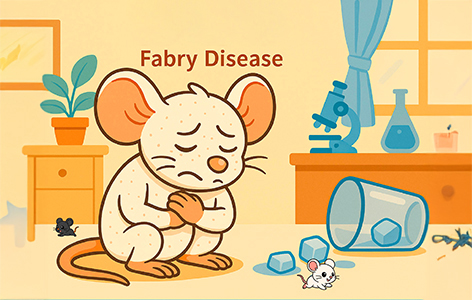 Dec 30, 2025Focus on Rare Diseases | Issue 13: Fabry DiseaseWhat is Fabry Disease? Fabry Disease (FD) is a rare X-linked inherited lysosomal storage disorder caused by mutations in the GLA gene, leading to a spectrum of symptoms. The estimated incidence of Fabry Disease is approximately 1 in 100,000. Fabry Disease is classified into two forms: Classic and Non-Classical (Later-Onset). The Classic form typically manifests symptoms in childhood or adolescence, affecting males earlier and more severely. Symptoms include neuropathic pain, acroparesthesia, episodic "Fabry crises" of acute pain, and later progression to severe cardiac, renal, and cerebrovascular complications. The Non-Classical form presents later in life (40-60 years) and commonly features cardiac disease (cardiomegaly, left ventricular hypertrophy, cardiomyopathy, hypertrophic cardiomyopathy, myocardial infarction) and renal disease (end-stage renal disease).
 -
 Dec 29, 2025Focus on Rare Diseases | Issue 14: Neuromyelitis Optica Spectrum Disorder (NMOSD)What is Neuromyelitis Optica Spectrum Disorder? Neuromyelitis Optica Spectrum Disorder (NMOSD) is a rare autoimmune disorder of the central nervous system characterized primarily by recurrent episodes of optic neuritis and longitudinally extensive transverse myelitis. These attacks often lead to severe vision loss, motor, and sensory dysfunction. According to recent studies, the prevalence of NMOSD is approximately 1.82 per 100,000 individuals. Prevalence is significantly higher in African and Asian populations compared to Caucasian populations, and females are affected much more frequently than males (approximately a 10:1 ratio).
 -
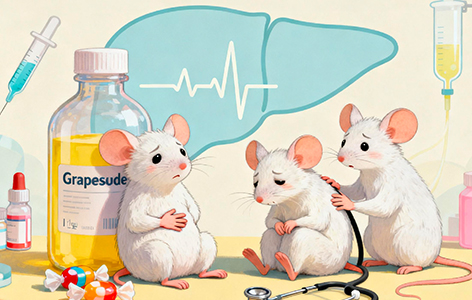 Dec 30, 2025Focus on Rare Diseases | Issue 15: Glycogen Storage Disease (Type I, II)What is Glycogen Storage Disease (Type I, II)? Glycogen Storage Disease (GSD) is a rare autosomal recessive inherited metabolic disorder caused by defects in enzymes involved in glycogen synthesis or degradation, leading to abnormal glycogen accumulation in organs such as the liver and muscles. At least 19 subtypes are known, with Type I (GSD Type I, hepatic form) and Type II (GSD Type II, Pompe disease) being the most common, accounting for approximately 40% of GSD cases combined. The incidence of GSD I is about 1 in 100,000 to 1 in 20,000, and GSD II is about 1 in 100,000 to 1 in 14,000, with slight variations among subtypes. GSD I is divided into two subtypes:

