
 Login
Login CN
CN

Resources & Support
HomeResources & SupportRare Disease Models
MingCelerRare Disease Models
-
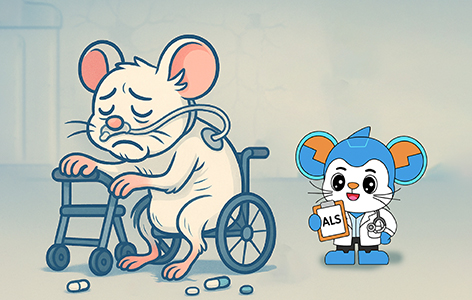 Dec 31, 2025Focus on Rare Diseases | Issue 6: Amyotrophic Lateral Sclerosis (ALS)What is Amyotrophic Lateral Sclerosis? Amyotrophic Lateral Sclerosis (ALS), commonly known as Lou Gehrig's disease, is a fatal neurodegenerative disorder characterized by the degeneration of motor neurons. The primary clinical manifestations include progressive muscle atrophy, fasciculations, bulbar palsy, and corticospinal tract signs, ultimately leading to death from respiratory failure. ALS is classified into sporadic ALS (SALS, accounting for 90%-95%) and familial ALS (FALS, accounting for 5%-10%), with the latter predominantly following an autosomal dominant inheritance pattern. The global prevalence of ALS is approximately 5 per 100,000 individuals, with a lifetime risk of 1 in 400 to 1 in 800. The peak age of onset is between 55 and 75 years, with a median survival of about 27.5 months. In China, the average age of onset is approximately 53.7 years, relatively earlier than in some other populations.
 -
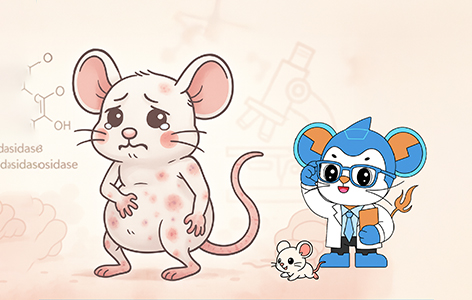 Dec 31, 2025Focus on Rare Diseases | Issue 7: Gaucher's Disease (GD)What is Gaucher's Disease? Gaucher's Disease (GD) is a rare autosomal recessive inherited lysosomal storage disorder. Its core etiology lies in mutations in the glucocerebrosidase (GBA) gene, leading to a significant reduction or complete absence of this enzyme's activity. This enzymatic defect prevents the normal hydrolysis of its substrate, glucosylceramide (GlcCer), causing massive accumulation within lysosomes of the mononuclear phagocyte system and the formation of characteristic "Gaucher cells." These abnormal cells accumulate in organs such as the liver, spleen, and bone marrow, triggering a range of severe clinical symptoms.
 -
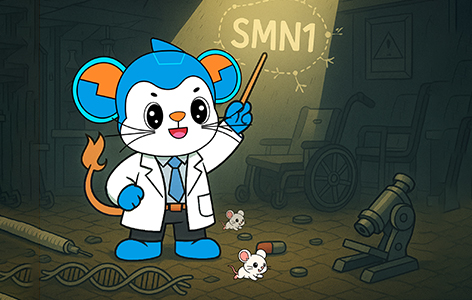 Dec 31, 2025Focus on Rare Diseases | Issue 8: Spinal Muscular Atrophy (SMA)What is Spinal Muscular Atrophy (SMA)? August 7th is observed annually as International Spinal Muscular Atrophy (SMA) Awareness Day. Spinal Muscular Atrophy (SMA) is an autosomal recessive inherited neuromuscular disorder primarily caused by inactivating mutations in the Survival Motor Neuron 1 (SMN1) gene. This leads to degeneration of motor neurons in the anterior horn of the spinal cord, resulting in progressive proximal muscle weakness and atrophy in the limbs. The disease not only affects motor function but may also involve multiple systems, including respiratory, digestive, and skeletal systems. The incidence of SMA is approximately 1 in 6,000 to 1 in 10,000 live births, making it one of the leading genetic causes of infant mortality. Based on age of onset and clinical manifestations, SMA is classified into types I through IV, with type I being the most severe and typically leading to death before the age of two.
 -
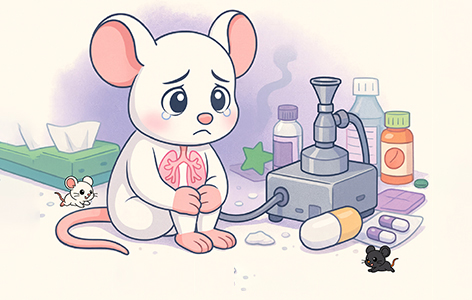 Dec 29, 2025Focus on Rare Diseases | Issue 9: Cystic FibrosisWhat is Cystic Fibrosis? Cystic Fibrosis (CF) is a rare inherited genetic disorder primarily caused by defects in the CFTR (Cystic Fibrosis Transmembrane Conductance Regulator) gene located on the long arm of chromosome 7. This gene defect leads to dysfunction in exocrine glands, affecting organs like the airways, pancreas, gastrointestinal tract, and sweat glands.
 -
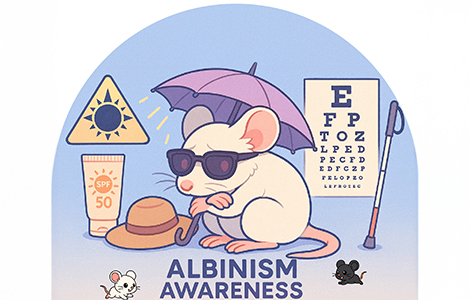 Dec 31, 2025Focus on Rare Diseases | Issue 10: AlbinismWhat is Albinism? Albinism is a rare genetic disorder primarily caused by a deficiency or reduced function of the enzyme tyrosinase, leading to impaired melanin synthesis. This manifests as a lack of pigment in the skin, hair, and eyes. Due to the absence of melanin's protective role, patients are highly susceptible to ultraviolet damage and often experience severe visual impairments. The global incidence of albinism is approximately 1 in 17,000 to 1 in 20,000, with an estimated 70,000 patients in China.

