
 Login
Login CN
CN

Resources & Support
HomeResources & SupportMousepedia
MingCelerMousepedia
-
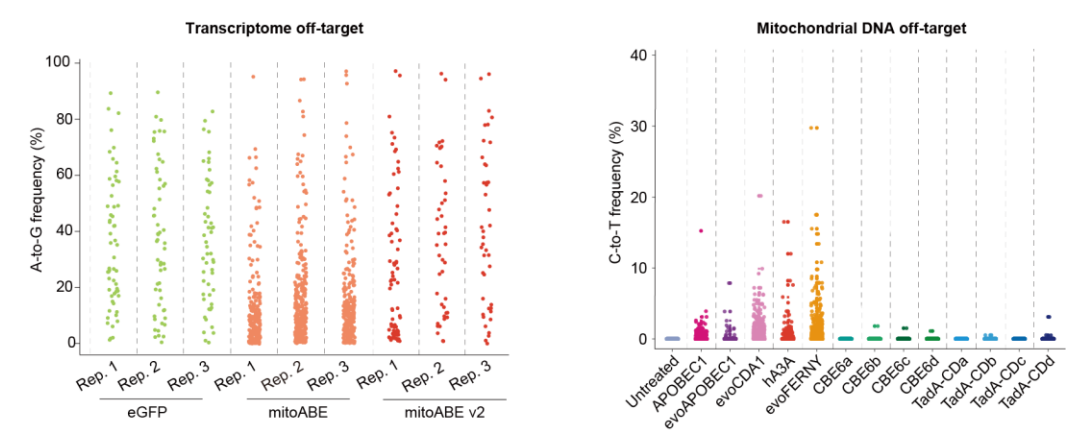 Apr 28, 2026Breakthrough in Nature| Next-Generation Mitochondrial Base Editors mitoBEs v2 Enable Efficient Generation of Heritable Mitochondrial Disease Mouse ModelsMitochondria, the cellular powerhouses, harbor their own genome (mtDNA). Point mutations in mtDNA are directly linked to hundreds of genetic disorders like Leigh syndrome and Leber's hereditary optic neuropathy (LHON), with point mutations accounting for approximately 95% of pathogenic variants. In the drug discovery pipeline, accurate genetic disease models that can faithfully replicate the human disease mutation threshold (typically >60% heteroplasmy) and multisystem phenotypes are core infrastructure for preclinical research.
 -
 Apr 24, 2026World Day for Laboratory Animals | Salute to the Unsung Heroes for Human Health!April 24, 2026, is the World Day for Laboratory Animals. This commemorative day was established in 1979 by the British Union for the Abolition of Vivisection (BUAV) and received recognition from the United Nations in 2009. Its aim is to raise societal awareness regarding the protection of laboratory animals, advocating for the implementation of humanitarian principles in scientific research. The week in which it falls is therefore designated as "Laboratory Animal Week."
 -
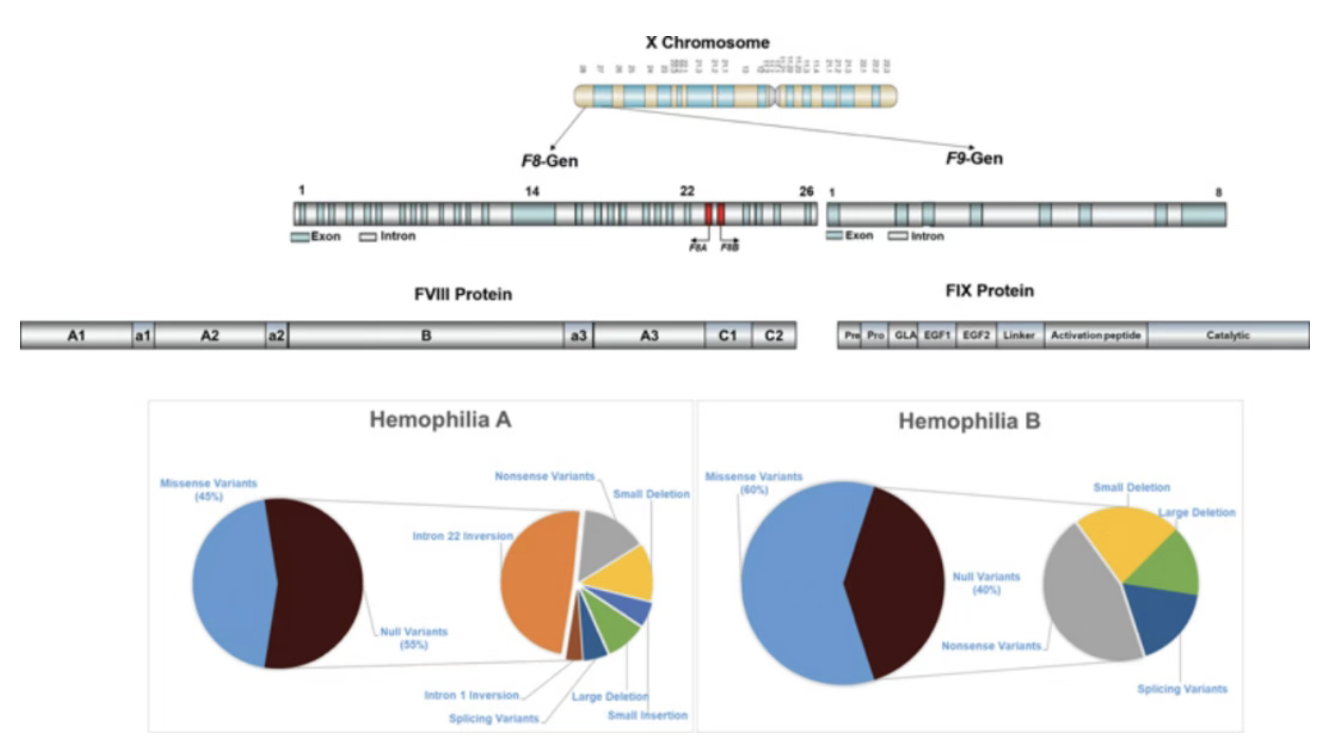 Apr 17, 2026World Hemophilia Day | Comprehensive Analysis of Hemophilia Pathogenesis and Genetically Engineered Mouse ModelsEvery year on April 17th, we observe World Hemophilia Day, focusing on this rare inherited bleeding disorder, often referred to as the "glass man" disease. In people with hemophilia, the synthesis or function of key clotting factors is impaired, interrupting the coagulation cascade at a critical node in the intrinsic pathway. This prevents the completion of the final "thrombin burst," leading to failure of the physiological hemostatic mechanism. Consequently, even minor trauma can trigger uncontrolled bleeding. Today, let's delve deeper into the pathogenesis of hemophilia and the mouse models used in related research.
 -
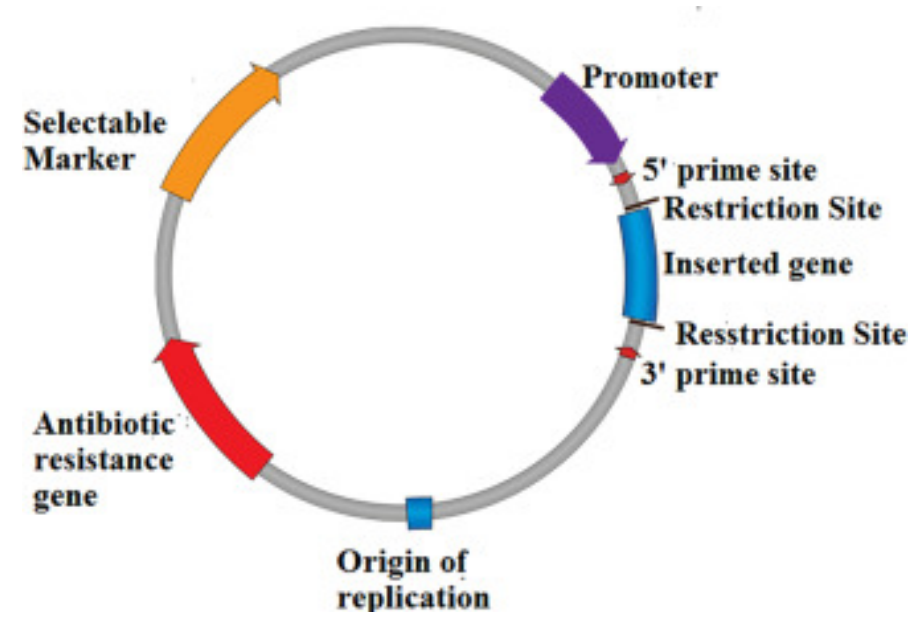 Apr 16, 2026Plasmids: The Core Delivery Vector for Genetically Engineered Mouse ModelsIn the construction of genetically engineered mouse models, the plasmid is the most critical delivery vector. It is not only the delivery tool for introducing editing machinery into cells but also the key determinant of editing efficiency and stability. This article, starting from the practical needs of mouse model construction, systematically deconstructs the design logic and essential elements of plasmids.
 -
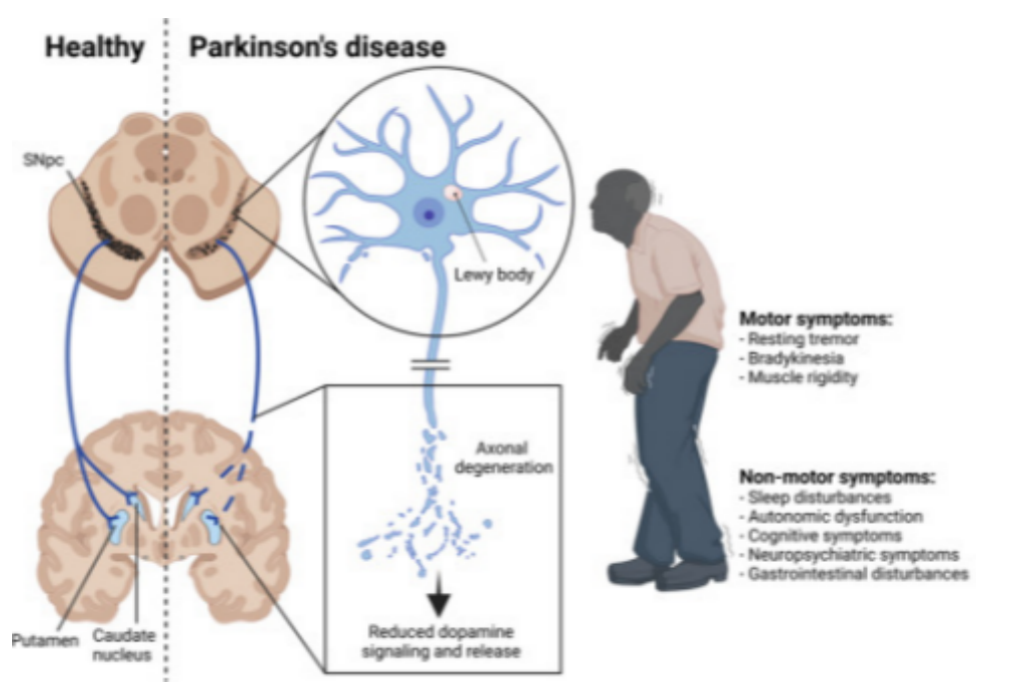 Apr 14, 2026World Parkinson's Day | Comprehensive Analysis of Parkinson's Disease Pathogenesis and Genetically Engineered Mouse ModelsApril 11th each year is World Parkinson's Day. Parkinson's Disease (PD) is the second most common neurodegenerative disease after Alzheimer's disease and one of the fastest-growing neurological diseases globally. The number of patients worldwide currently exceeds 6.2 million and is rising rapidly as the population ages. Research estimates that the number of patients could surpass 25.2 million by 2050.

