
 Login
Login CN
CN

Resources & Support
HomeResources & SupportMousepedia
MingCelerMousepedia
-
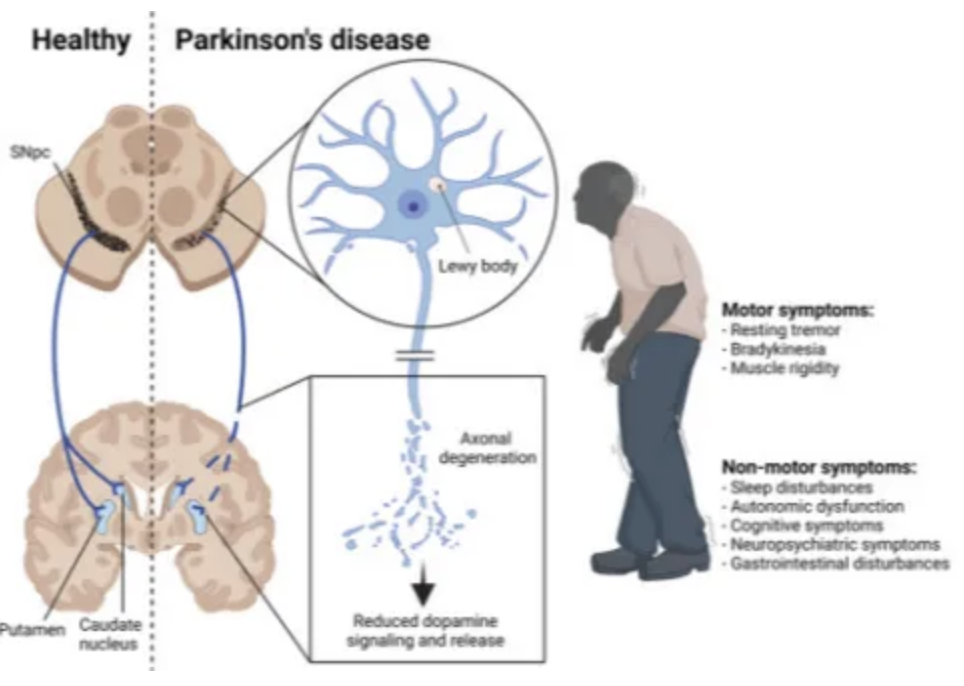 Jan 12, 2026World Parkinson's Day | Pathogenesis of Parkinson's Disease and Related Animal ModelsApril 11th is World Parkinson's Day each year. Parkinson's Disease (PD) is one of the most common neurological disorders, second only to Alzheimer's disease, and is also the fastest-growing neurodegenerative disease globally. Currently, there are over 6.2 million patients worldwide, and this number is expected to exceed 25.2 million by 2050.
 -
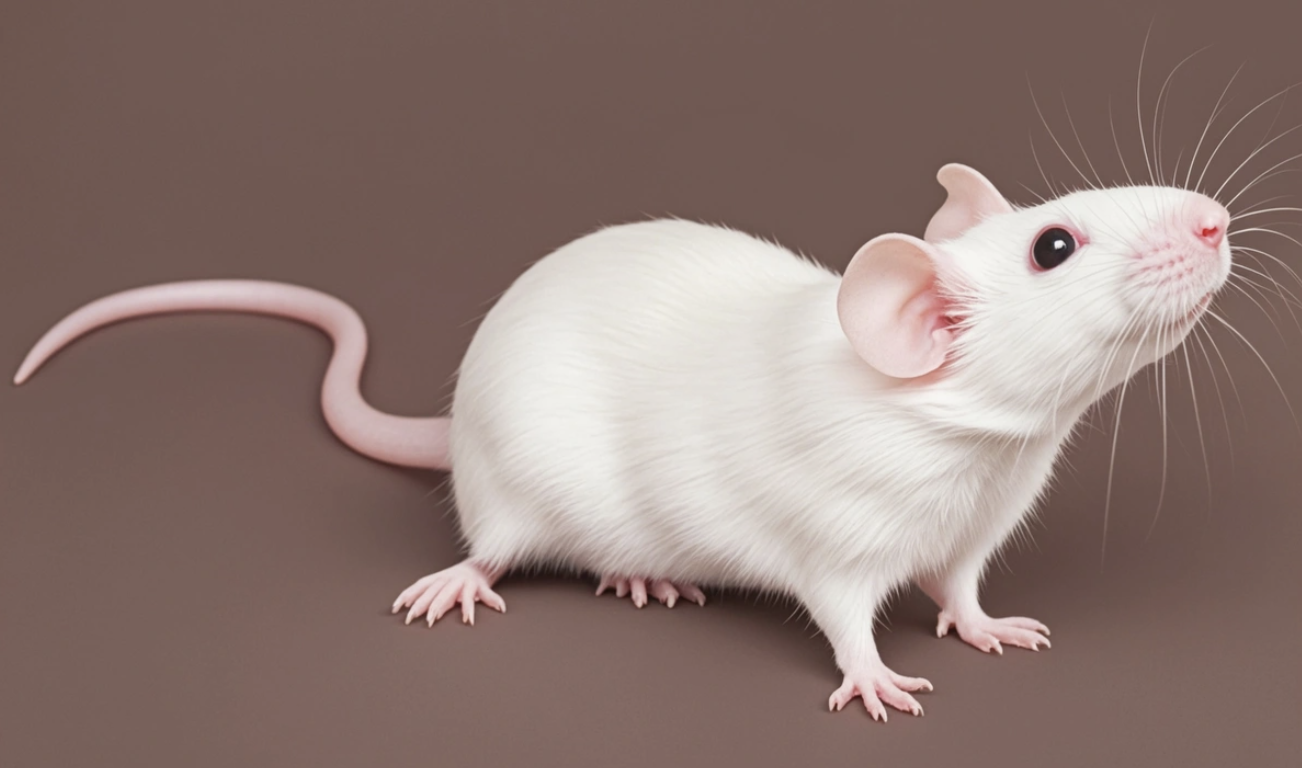 Jan 12, 2026Mouse Breeding Failure? These Reasons You Must KnowMing, there are too many pitfalls in mouse breeding. Can you provide a comprehensive summary? Let's discuss this from the perspectives of breeding failure and infertility.
 -
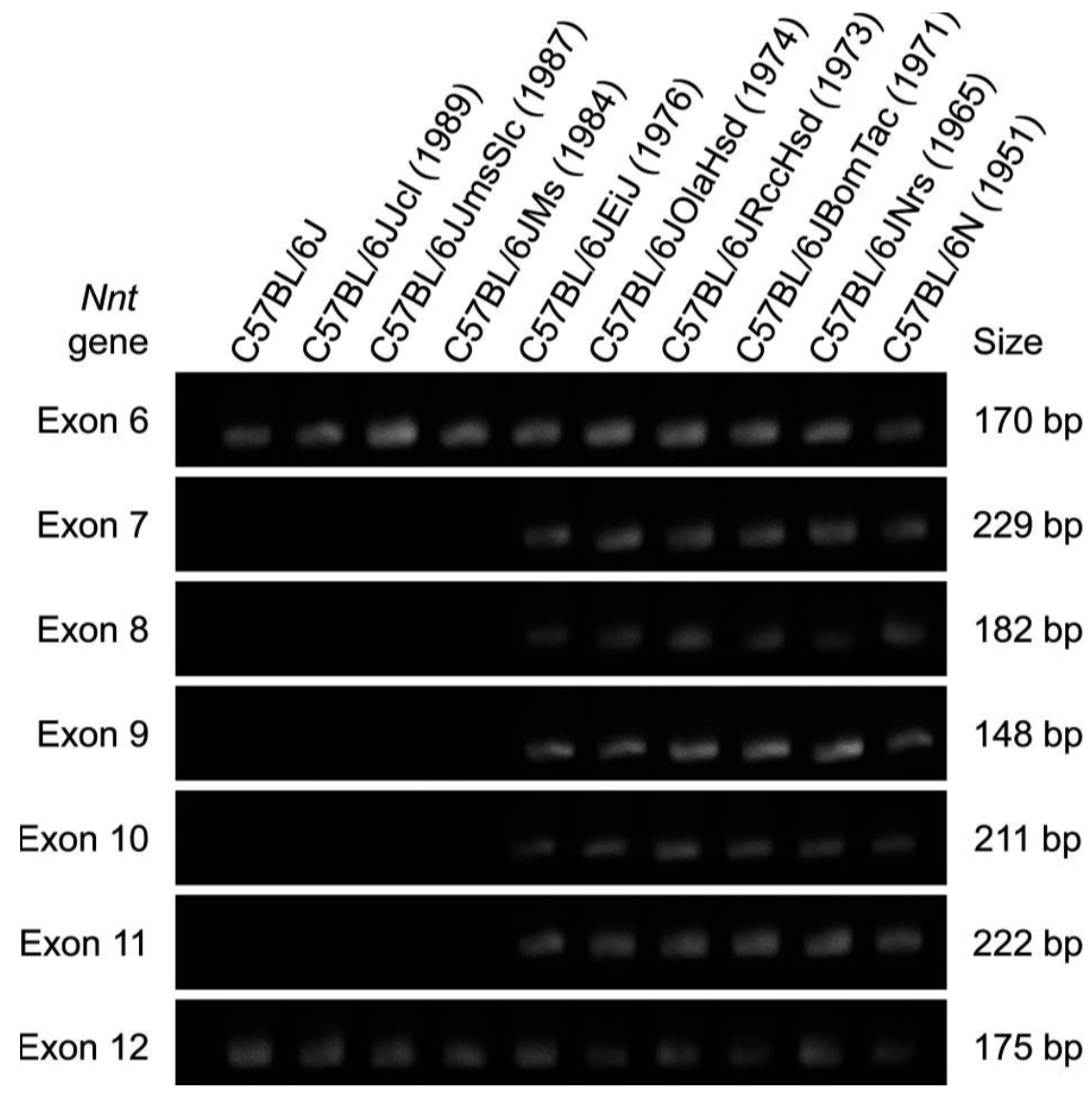 Jan 10, 2026'Twin' Strains in Laboratory Mice: The Story of B6N and B6JMing, I'm preparing to order genetically engineered mice. For background strain selection, what's the difference between C57BL/6N and C57BL/6J? Actually, B6N and B6J share 99% identical gene sequences, and they are interchangeable for most experiments, with only minor sequence differences. Let's explore this in detail.
 -
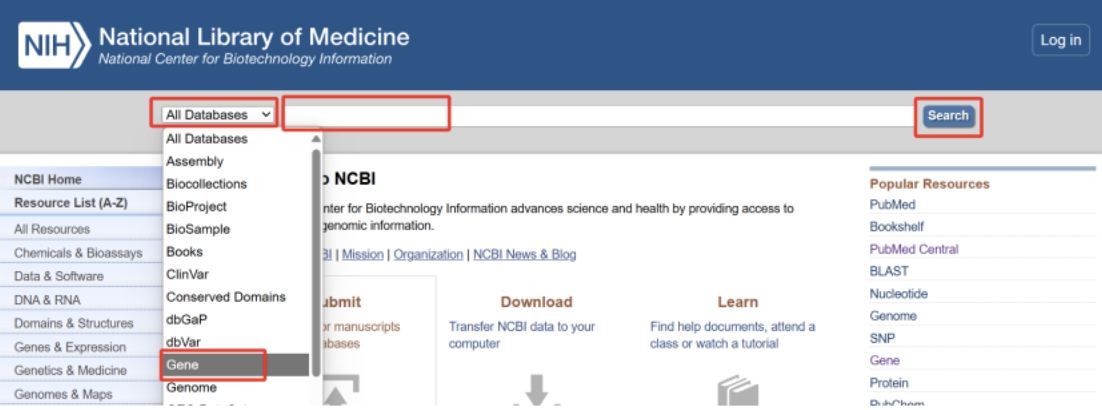 Jan 09, 2026Struggling with Primer Design? A Step-by-Step Guide to Get It RightMing, how do I design primers for qPCR? Primer design is a crucial step for successful qPCR experiments. The National Center for Biotechnology Information (NCBI) website (https://www.ncbi.nlm.nih.gov/) is a great tool for this purpose.
 -
 Jan 09, 2026How to Choose a Knock-In Site? Conventional KI vs. Rosa26 vs. H11Ming, what's the difference between conventional KI mice and Rosa26/H11 KI mice? First, let's understand the genomic locations of Rosa26 and H11. Rosa26 is located on mouse chromosome 6 (human homologous locus is on chromosome 3p25.3), while H11 is located on mouse chromosome 11 (human homologous locus is on chromosome 17q21.31).

