
 Login
Login CN
CN

Resources & Support
HomeResources & SupportMousepedia
MingCelerMousepedia
-
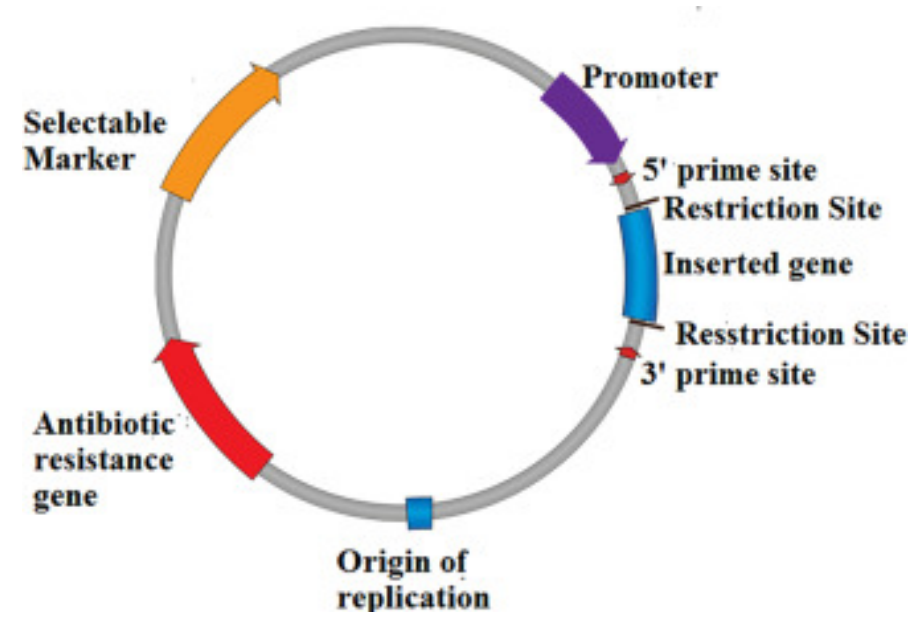 Apr 16, 2026Plasmids: The Core Delivery Vector for Genetically Engineered Mouse ModelsIn the construction of genetically engineered mouse models, the plasmid is the most critical delivery vector. It is not only the delivery tool for introducing editing machinery into cells but also the key determinant of editing efficiency and stability. This article, starting from the practical needs of mouse model construction, systematically deconstructs the design logic and essential elements of plasmids.
 -
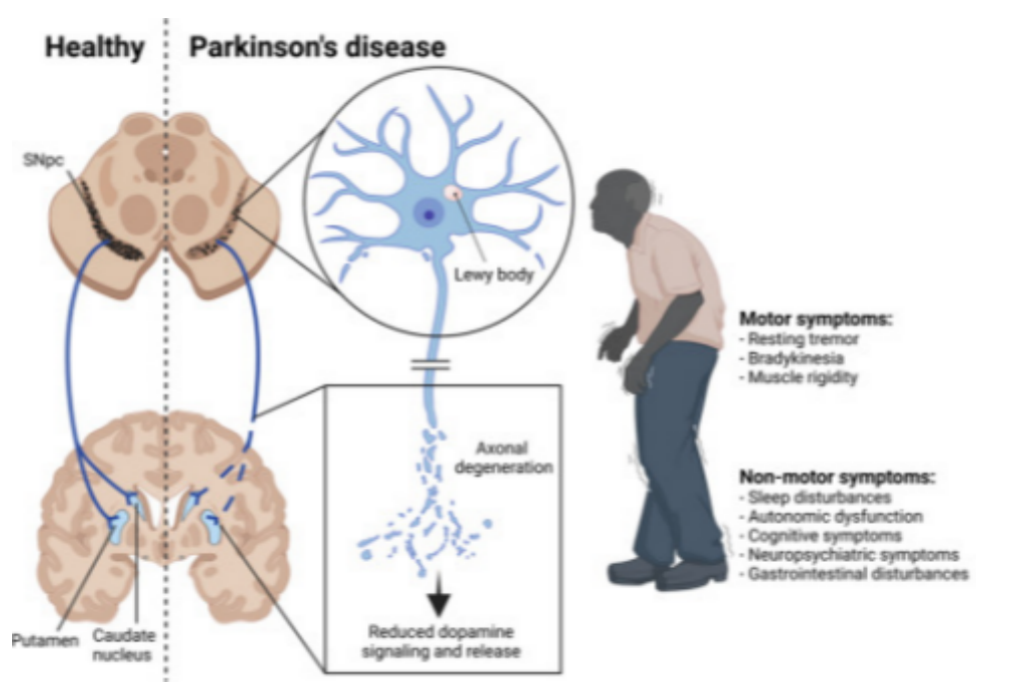 Apr 14, 2026World Parkinson's Day | Comprehensive Analysis of Parkinson's Disease Pathogenesis and Genetically Engineered Mouse ModelsApril 11th each year is World Parkinson's Day. Parkinson's Disease (PD) is the second most common neurodegenerative disease after Alzheimer's disease and one of the fastest-growing neurological diseases globally. The number of patients worldwide currently exceeds 6.2 million and is rising rapidly as the population ages. Research estimates that the number of patients could surpass 25.2 million by 2050.
 -
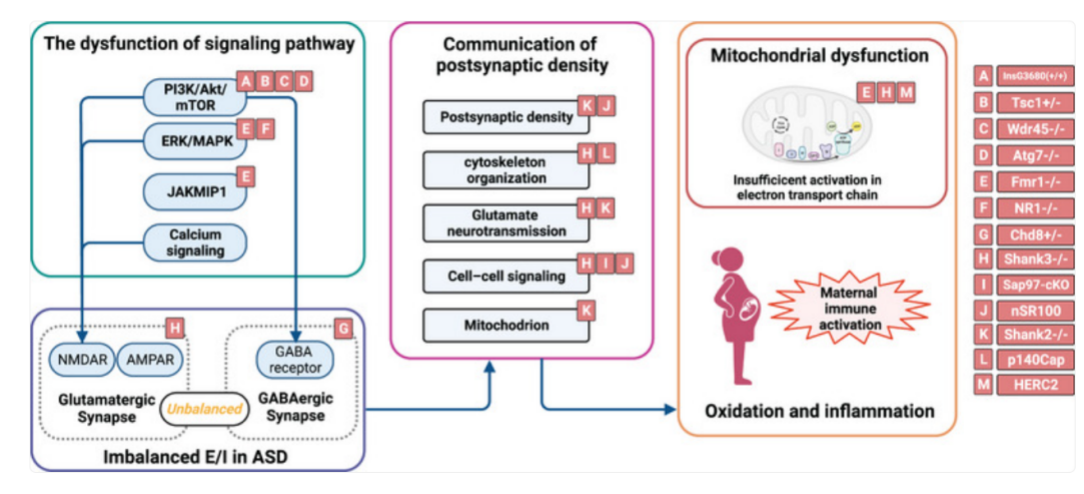 Apr 02, 2026World Autism Awareness Day | Pathogenesis of Autism Spectrum Disorder and Related Mouse ModelsApril 2nd of each year is "World Autism Awareness Day," aiming to increase public understanding, acceptance, and support for Autism Spectrum Disorder (ASD). Autism is not a single disease but a collection of diverse neurodevelopmental conditions, referred to as a "spectrum." Its core features primarily manifest in differences in social communication, a potentially narrow range of interests, and repetitive patterns of behavior or thinking. According to relevant research reports, the prevalence of ASD among children aged 6-12 in China is approximately 0.7%.
 -
 Mar 31, 2026Gene Editing | Comprehensive Analysis of Humanized Mouse Technology: The EnhancerPlus Platform Enabling Efficient Expression and Rapid IterationIn the "valley of death" of drug development, over 80% of preclinical candidate drugs fail in human trials, with "species differences" being a key factor in the inaccurate prediction of efficacy. How can we observe physiological and pharmacological responses in mice during the preclinical stage that are closer to those in humans? Humanized mice are the core technological platform for solving this challenge.
 -
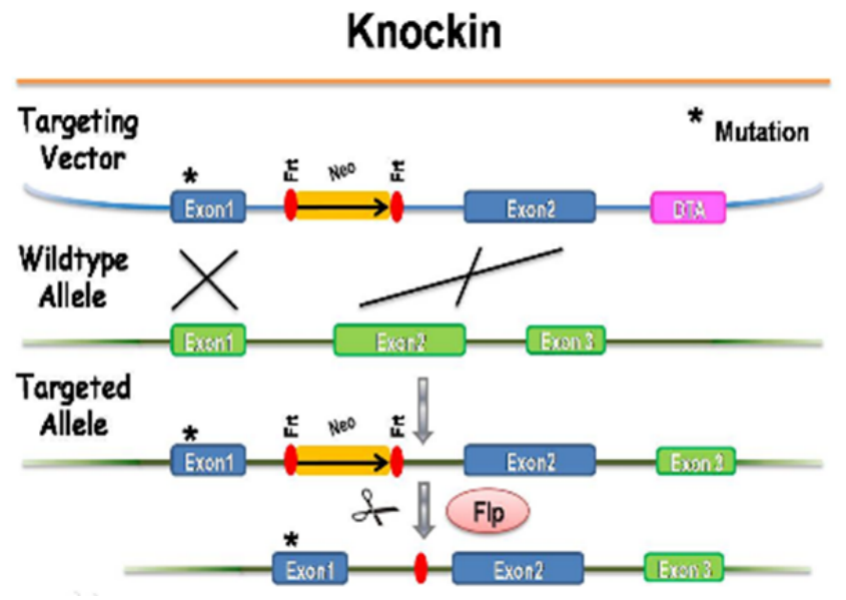 Mar 24, 2026Gene Editing | Comprehensive Guide to Gene Knock-in (KI) Technology: Principles, Applications, and Comparative Analysis of Rosa26 vs. H11 Mouse ModelsPrinciples of Gene Knock-in (KI) Technology The core of gene knock-in technology lies in utilizing the cell's own DNA repair mechanisms to achieve precise integration of exogenous genes or specific mutations.

