
 Login
Login CN
CN

Resources & Support
HomeResources & SupportRare Disease Models
MingCelerRare Disease Models
-
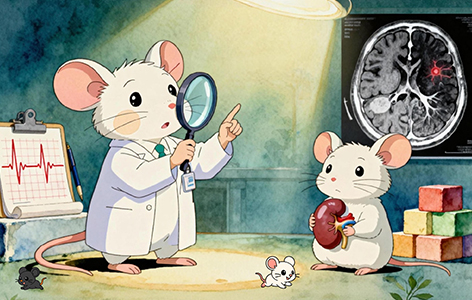 Jan 19, 2026Focus on Rare Diseases | Issue 26: Tuberous Sclerosis Complex (TSC)What is Tuberous Sclerosis Complex? Tuberous Sclerosis Complex (TSC) is a rare autosomal dominant genetic disorder that primarily affects multiple organs including the brain, skin, kidneys, heart, and lungs. The typical features of TSC include cortical tubers, seizures, intellectual disability, facial angiofibromas, renal angiomyolipomas (AML), and other manifestations. With a global incidence of approximately 1/6,000 to 1/10,000, TSC represents the most common neurocutaneous syndrome.
 -
 Jan 02, 2026Focus on Rare Diseases | Issue 1: Non-Syndromic DeafnessWhat is Non-Syndromic Deafness? Deafness is the most common birth defect, with a global incidence of hearing loss in newborns of 1.86‰. Currently, it is widely accepted that over 60% of deafness cases are caused by genetic factors. Hereditary deafness can be classified into two types: syndromic hearing loss (SHL) and non-syndromic hearing loss (NSHL), which is the most common form of hereditary deafness, accounting for approximately 70% of all cases.
 -
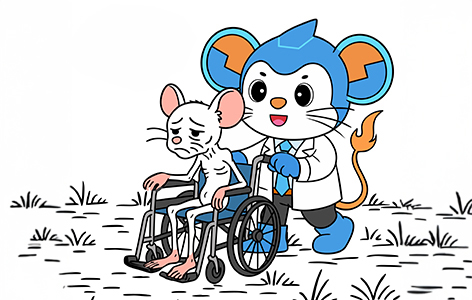 Jan 01, 2026Focus on Rare Diseases | Issue 2: Duchenne Muscular Dystrophy (DMD)What is Duchenne Muscular Dystrophy? Duchenne Muscular Dystrophy (DMD) is a rare X-linked recessive genetic disorder primarily caused by mutations in the DMD gene, leading to the absence of dystrophin protein. This protein is crucial for maintaining the stability of muscle cell membranes.
 -
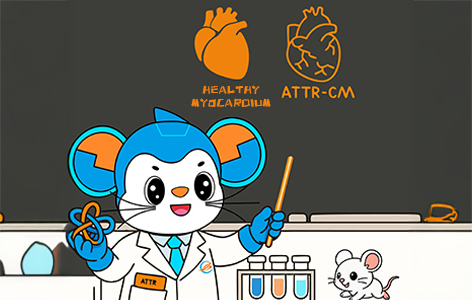 Jan 01, 2026Focus on Rare Diseases | Issue 3: Transthyretin Amyloidosis (ATTR)What is Transthyretin Amyloidosis? Transthyretin Amyloidosis (ATTR) is a rare systemic disorder caused by the amyloid deposition of misfolded transthyretin (TTR) protein.
 -
 Dec 31, 2025Focus on Rare Diseases | Issue 5: Huntington's Disease (HD)What is Huntington's Disease? Huntington's Disease (HD) is a rare neurodegenerative disorder primarily characterized by progressively worsening choreiform movements, psychiatric disturbances, and cognitive decline. The disease is inherited in an autosomal dominant pattern. Its pathological hallmark is neuronal degeneration in the caudate nucleus, other deep brain nuclei, and the cerebral cortex, leading to striatal atrophy. The incidence of HD varies significantly by region, being higher in Europe (5.65 per 100,000) and North America (7.43 per 100,000) compared to Asia (0.99 per 100,000). The typical age of onset is between 35 and 50 years, with an average survival period of approximately 10 to 20 years after diagnosis.

