
 Login
Login CN
CN

Resources & Support
HomeResources & SupportDrug Target Insights
MingCelerDrug Target Insights
-
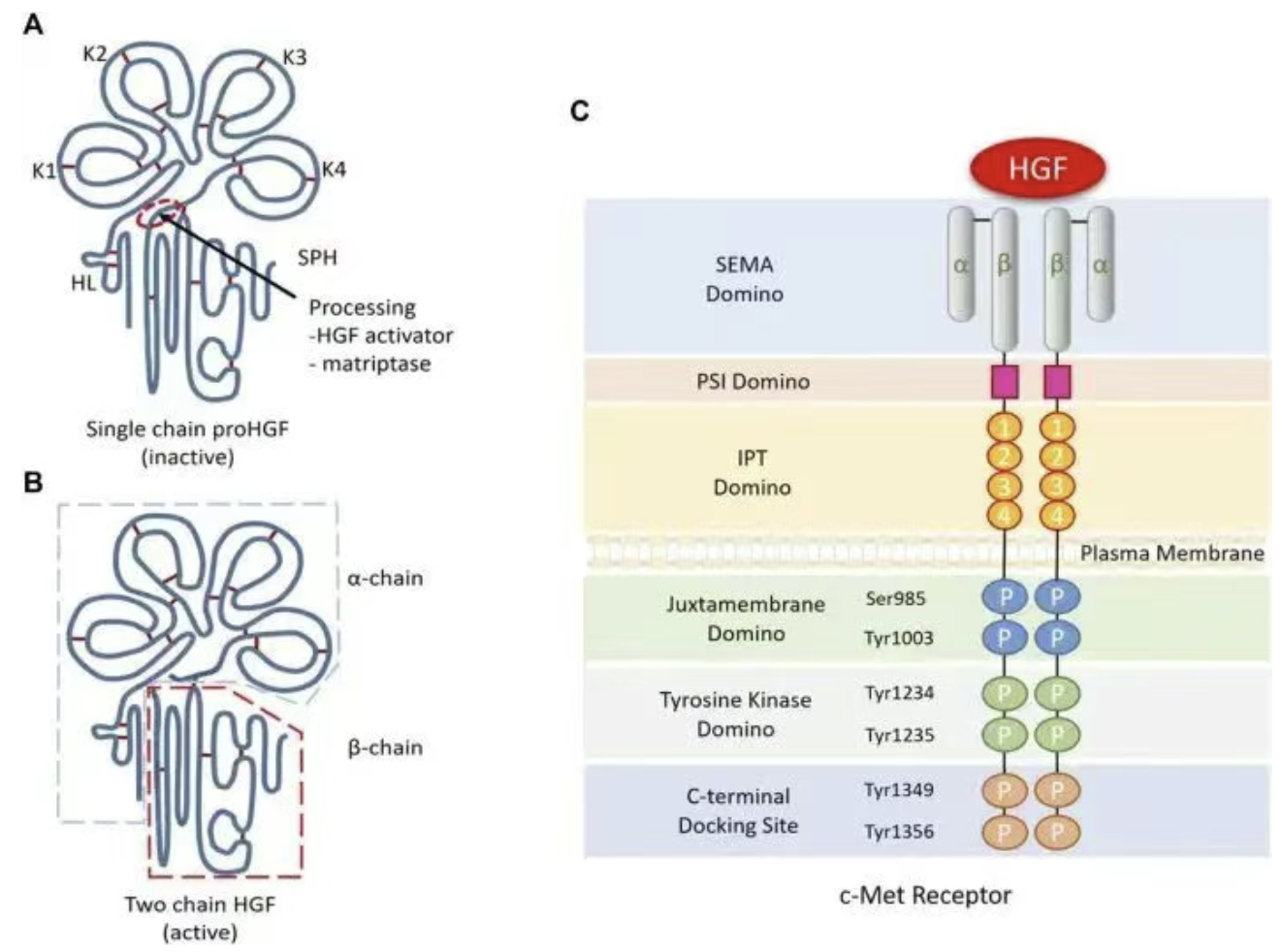 Apr 08, 2026The HGF/MET Signaling Axis: Why It Matters in CancerCancer does not grow and spread on its own. It depends on signals that tell tumor cells to survive, divide, move, and resist treatment. One of the most important of these signaling systems is the HGF/MET axis.
 -
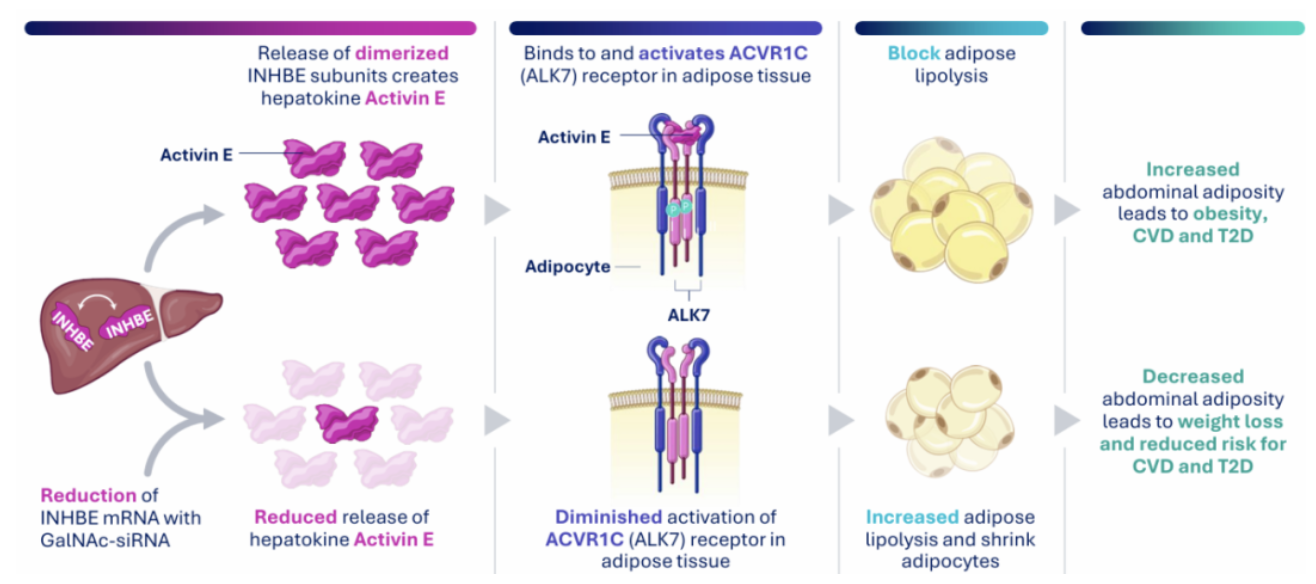 Apr 07, 2026INHBE: From a Silent Gene to a Hepatic Hub Target in the Fight Against Metabolic DiseasesThe INHBE gene, officially named Inhibin Subunit Beta E, is located on human chromosome 12q13.3 and encodes a secreted protein belonging to the TGF-β superfamily. Traditionally, due to its sequence homology with the inhibin/activin family, it was long speculated to play a role in reproduction and development. However, several recent landmark genetic studies have rewritten its story, redefining it as a core target in the field of metabolic regulation.
 -
 Apr 03, 2026Complement Factor B and Humanized Animal Models: Interpreting Targeted Therapy Research for Kidney DiseasesIn kidney diseases caused by abnormal complement system activation, the overactivation and amplification of chain reactions in the alternative complement pathway are the core causes of renal damage. This leads to the accumulation of a protein fragment called C3 in the glomerulus, activating the final damage pathway of the complement system and progressively destroying kidney function. Complement Factor B (abbreviated as CFB) is a key "driver" in this "pathogenic chain" and an indispensable core molecule in the alternative complement pathway. Its main role is to assist in assembling two key "tools" (C3 convertase and C5 convertase), maintaining the "positive feedback loop" of this abnormal reaction and sustaining the damage [1].
 -
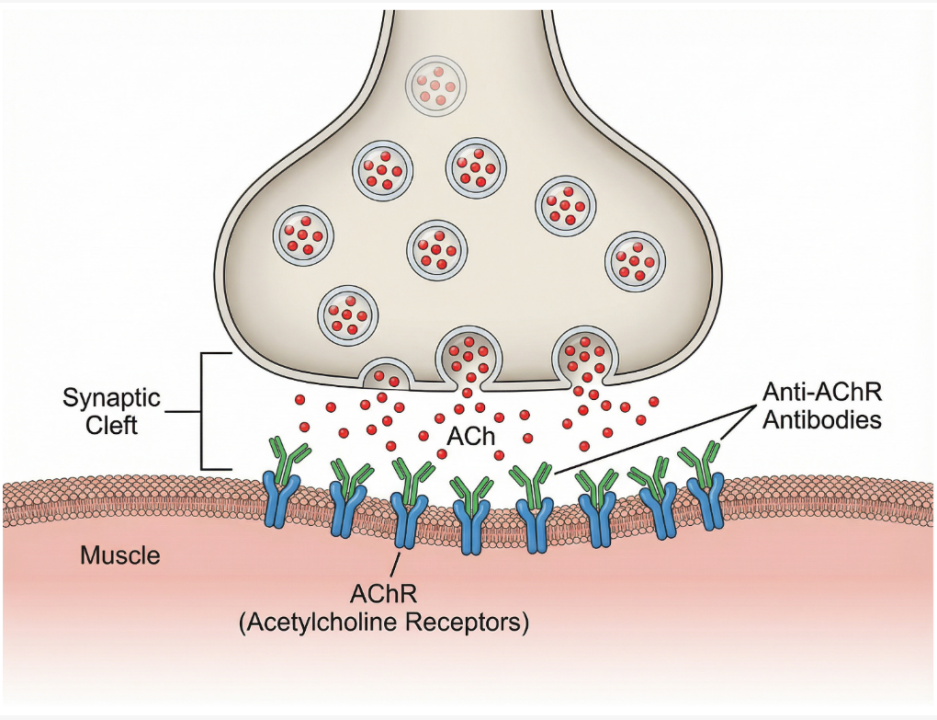 Mar 19, 2026Neonatal Fc Receptor (FcRn): A Core Regulator of Antibody Homeostasis and Its Multidimensional Roles in Therapeutic DevelopmentThe neonatal Fc receptor (FcRn) is a heterodimeric protein encoded by the FCGRTgene, consisting of a heavy chain and a light chain (β₂-microglobulin) associated non-covalently. Its heavy chain, structurally similar to MHC class I molecules, comprises a cytoplasmic tail, a transmembrane domain, and three extracellular functional segments (α₁, α₂, α₃). Together with the light chain, these segments form the ligand-binding site for FcRn. FcRn is widely expressed in the body, found in various cell types (e.g., epithelial cells), secondary lymphoid organs (e.g., spleen), and tissues like the placenta.
 -
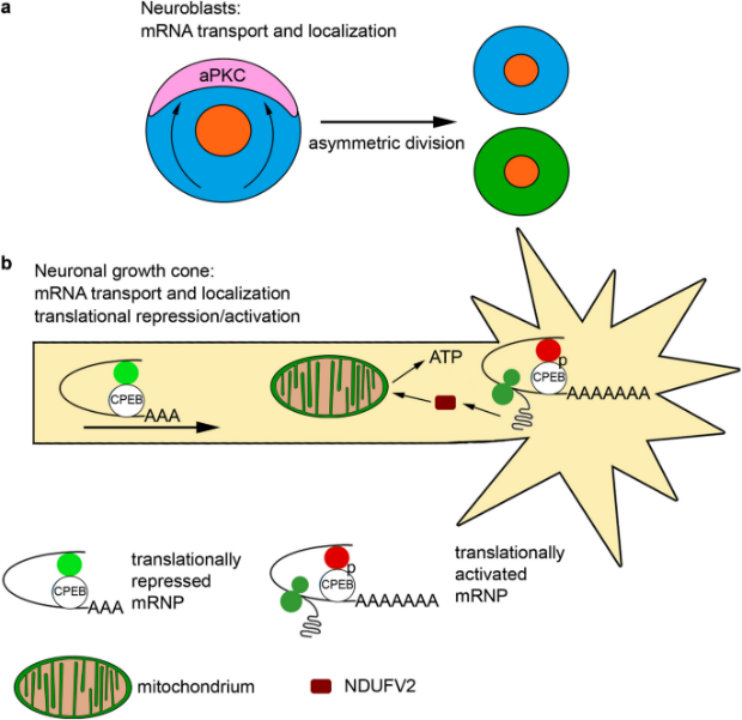 Mar 10, 2026Target Perspective | CPEB: A Key Regulator of mRNA Translation and Its Mechanism in Neuropsychiatric DisordersIn recent years, the role of RNA-binding proteins in gene expression regulation has become increasingly prominent. The CPEB (cytoplasmic polyadenylation element binding protein) family, as core proteins regulating mRNA translation, localization, and stability, is emerging as a hotspot in neuroscience and translational medicine research due to its critical roles in synaptic plasticity, long-term memory formation, and various neuropsychiatric disorders. CPEB family members, especially their unique prion-like domains, provide a novel perspective for understanding the mechanisms of memory persistence and treating related diseases. This article will systematically elaborate on the functional mechanisms of the CPEB family and their central roles in the nervous system, from development and functional maintenance to the pathogenesis of diseases.

